


Printing Machine
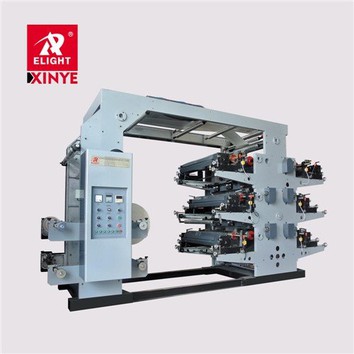
A printing press is a complex piece of high-precision industrial equipment that is designed to produce printed material at a high rate of speed and low cost per page. Printing presses are commercially available which use several different types of printing technologies, but the most common type is called offset lithography. These presses are commonly designed in either sheet-fed configurations, which print on individual sheets of paper or other material, or web-fed configurations, which print on long webs of paper or other material, supplied on large reels. A so-called 'full size' sheet fed offset press prints on sheets that are about 700 mm x 1000 mm in size (about 28 inches x 40 inches). "Half size" and "quarter size" offset presses are also common, and these machines print on sheets which are one-half or one-quarter as large.
Advantages of Printing Machine
Mass production
Printing machines can produce a large volume of printed materials quickly and consistently. This advantage is crucial in industries like publishing, magazines, and books must be produced in large quantities.
Cost-effective
Printing machines, particularly digital printers, have become cost-effective for short to medium-print runs. This is especially valuable for marketing and advertising materials. It allows for affordable customization and personalization.
Quality and precision
Modern printing machines can deliver exceptional print quality and precise color reproduction. This is vital for industries like packaging. Because the appearance of the product's packaging can influence consumer buying decisions.
Versatility
Different types of printing machines cater to various materials. Flexographic and gravure printers are used for packaging materials, while screen printers excel in textiles and product decoration. This versatility makes them suitable for diverse applications.
Speed
Screen printing machines employ a mesh screen to transfer ink onto various surfaces. Such as fabric, wood, glass, and ceramics. This versatile printing method allows for intricate designs and vibrant colors. So it is popular in the textile and advertising industries. Screen printing machines are ideal for producing custom apparel, banners, signage, promotional materials, and personalized products. While they require more setup time and are limited in color options, screen printing machines offer durability and versatility for long-lasting prints.
Customization
Digital printing machines allow easy customization. This makes them valuable in the advertising and promotional industries. Businesses can print personalized marketing materials tailored to individual customers.
Reduced waste
Advanced printing technologies, such as digital and 3d printing, produce minimal waste as they can print only what is needed. This eco-friendly aspect is vital for industries striving to reduce their environmental footprint.
Prototyping and product development
3d printing machines have revolutionized product development and prototyping across various industries. They enable the rapid creation of prototypes and custom parts, reducing lead times and costs.


Why Choose Us
High-quality machining centers
22 years of persistence and hard work, innovation and breakthroughs, so that Xinye has accumulated rich experience and comprehensive knowledge.
Professional team
Stable technical team and forward-looking sense of innovation enable the company to meet the current and future needs of customers in an all-round way.
High-quality machine products
We take pride in the craftsmanship of our products and ensure that every product meets our strict quality standards.
State-of-the-art equipment
Machinery, tools, or instruments that are designed with advanced technology and functionality to perform highly specific tasks with greater precision, efficiency, and reliability.
Inkjet printers
Recreate a digital image by spraying ink onto paper. These are the most common type of personal printer.
Laser printers
Are used to create high-quality prints by passing a laser beam at a high speed over a negatively charged drum to define an image. Color laser printers are more often found in professional settings.
3d printers
Are a relatively new printer technology. 3d printing creates a physical object from a digital file. It works by adding layer upon layer of material until the print job is complete and the object is whole.
Thermal printers
Produce an image on paper by passing paper with a thermochromic coating over a print head comprised of electrically heated elements and produces an image in the area where the heated coating turns black. A dye-sublimation printer is a form of thermal printing technology that uses heat to transfer dye onto materials.
All-in-one printers
Are multifunction devices that combine printing with other technologies such as a copier, scanner and/or fax machine.
Led printers
Are similar to laser printers but use a light-emitting diode array in the print head instead of a laser.
Photo printers
Are similar to inkjet printers but are designed specifically to print high-quality photos, which require a lot of ink and special paper to ensure the ink doesn't smear.
Newspapers and magazines
Printing presses are extensively used in the production of newspapers and magazines. Despite the rise of digital media, many people still prefer physical copies, and printing presses enable mass production.
Books
Book publishing relies heavily on printing presses. Both fiction and non-fiction books, textbooks, and educational materials are printed using this technology.
Marketing and advertising materials
Brochures, flyers, posters, and other marketing materials are often produced using printing presses. This includes promotional materials for businesses, events, and campaigns.
Packaging
Printing presses are used for creating product packaging, including labels, boxes, and cartons. The ability to print high-quality and visually appealing packaging is crucial for marketing and brand identity.
Business cards and stationery
Printing presses are commonly used for producing business cards, letterheads, envelopes, and other stationery items used in business communication.
Photography and art prints
Fine art prints and photographic reproductions are often created using printing presses, allowing artists to reproduce their work for distribution or sale.
Textile printing
Printing presses are used in textile industries for creating patterns and designs on fabrics. This includes the production of clothing, upholstery, and other textile products.
Labels and stickers
Printing presses are used for producing labels and stickers for various purposes, including product labeling, branding, and packaging.
Currency and security printing
Printing presses play a vital role in producing official documents, including banknotes, passports, and secure documents. Security features are often integrated into the printing process to prevent counterfeiting.
Educational materials
Printing presses are used to produce educational materials such as workbooks, worksheets, and teaching aids for schools and educational institutions.

Printing unit
This comprises various parts, including the plate cylinder, blanket cylinder, and impression cylinder. The plate cylinder holds the printing plate, the blanket cylinder transfers the ink from the plate to the printing surface, and the impression cylinder applies pressure to create the impression on the paper.
Inking system
The inking system consists of ink rollers and a fountain system. The ink rollers evenly distribute ink onto the printing plate, ensuring consistent coverage and colour intensity. The fountain system supplies ink to the ink rollers and regulates ink flow.
Paper feed system
This includes the paper feeder, grippers, and delivery system. The paper feeder feeds sheets of paper into the press, while grippers hold the paper securely during printing. The delivery system collects the printed sheets and transports them for further processing or finishing.
Dampening system
The dampening system moistens the non-printing areas of the printing plate to repel ink, ensuring sharp and clean image reproduction. It typically consists of dampening rollers and a water fountain system.
Control systems
Modern printing presses are equipped with various control systems, such as electronic control panels and computerized interfaces, to monitor and adjust press settings, including ink density, registration, and speed.
Safety features
These include emergency stop buttons, safety guards, and interlocking systems to protect operators and prevent accidents during press operations.
Types of Materials Needed for Printing Machines
Substrates —Paper
Bond paper
This is the standard paper used for everyday printing. It is suitable for documents, letters, and reports.
Coated paper
Has a smooth, glossy finish. It is ideal for high-quality printing, such as brochures, flyers, and photographs.
Cardstock
Cardstock is a thicker and more rigid paper. It is often used for business cards, postcards, and invitations.
Newsprint
Newsprint is lightweight and is commonly used for newspapers and other publications.
Specialty papers
These include textured papers, metallic papers, and other specialty options. These usually add unique effects to the prints.
Other Substrates
Plastic
Printing on plastic is commonly used for labels, packaging, and signage.
Fabric
Textile printing is popular for creating custom clothing, banners, and promotional materials.
Metal
Metal printing is utilized for applications like signage, nameplates, and industrial labels.
Dye-based inks
Dye-based inks are known for their vibrant colors. They are also ideal for photo printing. However, they may fade over time when exposed to light and environmental factors.
Pigment-based inks
Pigment-based inks are more durable and resistant to fading. This makes them suitable for documents and graphics that need to stand the test of time.
Toner powder
This is the traditional type of toner used in laser printers. It consists of tiny particles of dry powder.
Liquid toner
Liquid toner is less common. It is typically found in high-end color laser printers. It offers improved color accuracy and vibrancy.
How to Maintain Printing Machine
Visual inspection
Start by visually inspecting the machine for any visible signs of damage, loose parts, or debris. Check the cables, connectors, and belts for any wear or damage
Clean print heads
Cleaning the print heads is crucial for maintaining print quality. Follow the manufacturer's instructions to access and clean the print heads using appropriate cleaning solutions and tools.
Check ink levels
Verify the ink levels in each cartridge or tank. If any ink is running low, replace or refill the cartridge as needed. Ensure that the cartridges are correctly seated and securely installed.
Check paper path
Examine the paper path to ensure there are no obstructions or paper jams. Remove any debris or stuck paper that may impede smooth paper feeding.
Test print
Print a test page or sample document to check for any abnormalities in print quality, such as streaks, smudges, or colour variations. Adjust the print settings or perform a nozzle check if necessary.
Calibration
If your machine has calibration settings, ensure that they are properly configured to maintain accurate colour reproduction. Follow the manufacturer's instructions to perform any necessary calibration adjustments.
Software updates
Check for any available firmware or software updates for your printing machine. Updating the software can improve performance, fix bugs, and enhance compatibility.
Lubrication
If applicable, lubricate moving parts as recommended by the manufacturer to ensure smooth operation.
Prepress
Prepress is the first step of the commercial printing process, and it's where all the planning and preparation occur. Most of the prepress steps are done via computer.
This step includes composition, typesetting, graphic arts photography, formatting files according to industry standards, and image assembly. These prepress operations prepare the concept for a printed image to be converted into an image carrier, such as a plate, cylinder, or screen.
The steps also involve converting digital files into a form that the press can understand and using software to prepare the files for printing. During the prepress step, proofing for errors and more is also done to ensure everything looks perfect before printing. The result should be an accurate representation of what the final product will look like once printed.
Press
Once the prepress steps have been completed, it's time to move on to the press stage, where the actual printing process occurs. This phase involves setting up the presses and printing the image onto a substrate (such as paper or plastic), using either an offset printing press or a digital press.
For each job, the specific press setup is dependent on the type of substrate being used. For example, you might need to use a different printing plate or ink colors than usual in order to achieve the desired effect on certain materials. During this phase, it's also important to make sure everything is correctly aligned, as any misalignments or shifts in color can ruin an entire print run.
Post Press
Once the printing is complete, it's time to move on to the post press phase. This stage involves operations such as trimming, folding, scoring, and binding. It includes finishing processes like embossing, die-cutting, varnishing, laminating, and more. These processes achieve a certain look or feel, such as a glossy finish or special shape.

The performance of the printing press
The performance of the printing press is an important aspect to pay attention to when choosing a printing press. A high-performance press can improve printing efficiency and quality, while also saving energy and reducing errors. When purchasing a printing machine, printing manufacturers need to pay attention to the speed, stability, automation and other aspects of the printing machine, so as to fundamentally improve the printing quality and efficiency.
The quality of the printing press
The quality of the printing press is an important indicator that must be considered when purchasing a printing press. A good printing machine should be stable, durable, easy to operate, and reduce the failure rate and maintenance costs as much as possible. When purchasing a printing machine, printing manufacturers can evaluate the structure, materials and processes of the printing machine to ensure that the quality of the selected printing machine can meet the printing needs of the enterprise.
The price of the printing press
The price of the printing machine is also an important indicator that printing manufacturers need to consider when purchasing a printing press. The price of the printing machine is affected by a number of factors, mainly including the performance, quality, brand and after-sales service of the printing machine. When purchasing a printing machine, printing manufacturers should combine their own budget and needs to choose a printing machine with high cost performance, good quality and good after-sales service.
After-sales service
Printing machine after-sales service is an indicator that printing manufacturers need to pay special attention to when purchasing printing machines. Good after-sales service can ensure that the maintenance, repair and update of the printing machine can be supported in a timely manner, so as to improve the service life and efficiency of the printing machine. When purchasing a printing machine, printing manufacturers should understand the after-sales service system of printing machine manufacturers, so that they can get timely support and help when needed.
Our Factory
Xinye Packaging Machine Co.,Ltd.is located in Rui'an,Zhejiang Province. We specialize in producing series of packaging equipments like bag making machines,printing machines, film blowing machines, and material cutting and punching machines.Our newest PP NONWOVEN BAG MAKING MACHINE is highest automation and speed, but the cheapest.Based on our excellent product quality and after sales services, we have won firm support and trust from domestic and international customers. In the new era, we will take the brand-new opportunities and challenges with our energy and passion.Receiving sincerity and credit as most important factors for success, we will do our utmost to improve product quality and perfect service system. We welcome all friends to visit us for future cooperation.

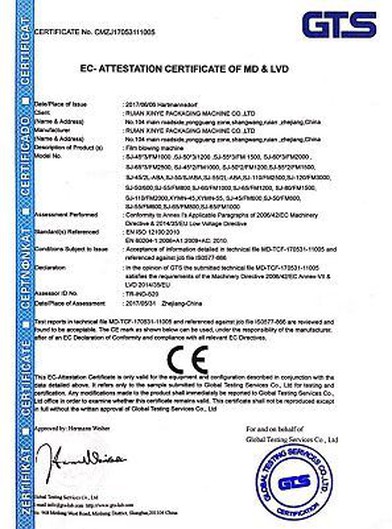
Our Certificate


FAQ
As one of the most professional printing machine manufacturers and suppliers in China, we're featured by quality products and low price. Please rest assured to buy cheap printing machine made in China here from our factory.
3d printing machine for clothes, machine for making shirts, 4 colour rotogravure printing machine